
Description
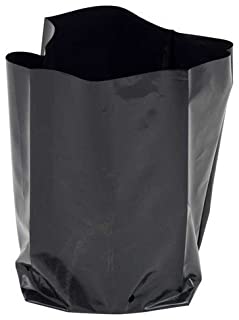
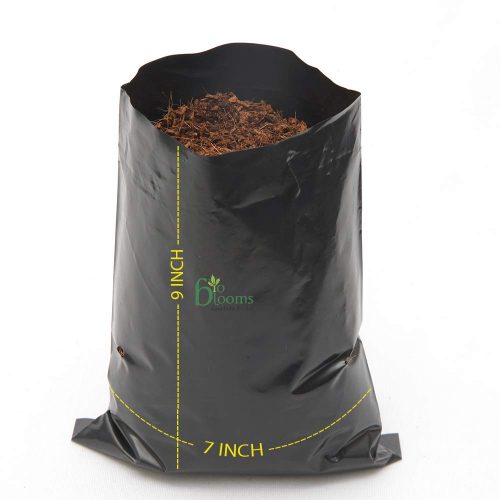
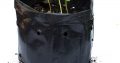
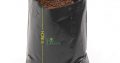
Plastic Poly Grow Bag
Minimum Order of Plastic Poly Grow Bag :50pc
About This :
Economical Plastic Nursery Grow Bags
Economical, yet strong and versatile grow bag containers
Free-standing when filled
Useful for pricking out seedlings prior to planting out
Black interior and exterior for superior performance
Plastic Nursery Grow Bags
Nursery grow bags are used to cultivate and grow seedlings into plants or various different fruit and vegetables
They are a cost effective replacement for polythene bags and are available in black color
Each pot has pre-punched drainage holes for easy and thorough drainage
More plants can be stored per square meter using these bags
A polybag stimulate root growth and therefore the plants are about 15% bigger
Vegetables (such as tomato and potato), flowers and herbs do well in poly pots
Cost Saving
Plastic plant bags cost less to produce (and therefore cost less for you) than plastic or metal pots, or other rigid containers.
Space Saving
Plastic plant bags are stored flat and take up 40 times less storage space than rigid containers. (Don’t worry, they stand upright when filled with soil.) Also, nurseries and greenhouses can house more plants per square foot in plastic bags than in hard containers.
Economical
Plastic plant bags require less energy to produce than hard containers.
Polyethylene nursery bags also conserve water by retaining moisture in the soil longer than other types of plant containers.
Durable
Polyethylene plant bags are incredibly durable. They can withstand being dropped or handled roughly, meaning less inventory loss for you. They’re also long-lasting. Polyethylene bags are known to last longer than any other plant bag on the market.
More Growth
At the end of the growing season, plants grown in soft containers are upto 5 to 15 percent larger than plants grown in same size rigid plastic containers. Also plants grown in soft containers have a more fibrous root system than plants in rigid containers. Counts of white root tips visible on the surface of the root ball are upto six times greater for plants grown in soft containers.